-
Ballerinas by Dutch Artists
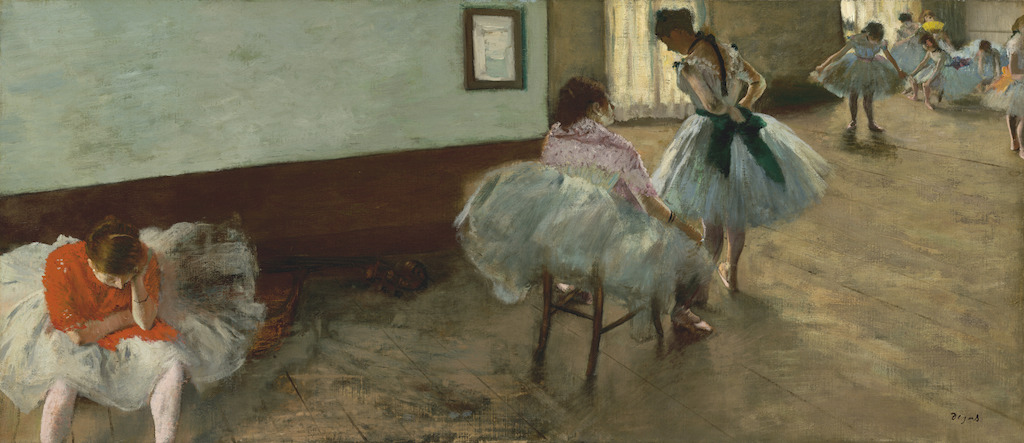
If you ask anyone to name the artist renowned for painting ballerinas, the response will undoubtedly be Edgar Degas (1834-1917). His paintings of romantic ballerinas are legendary. Degas sought a synthesis between Impressionism and Realism. His ballerinas were often ethereal, but his paintings also rendered a realistic depiction of the hard-working ballet dancers at the… Read more
-
Artists in the Ballet Studio
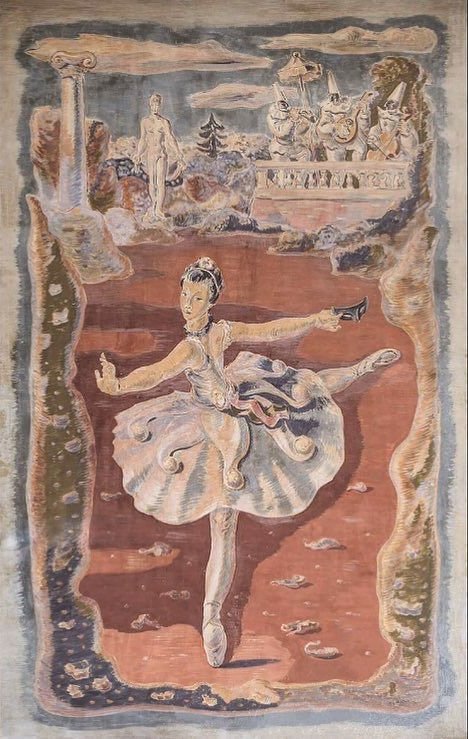
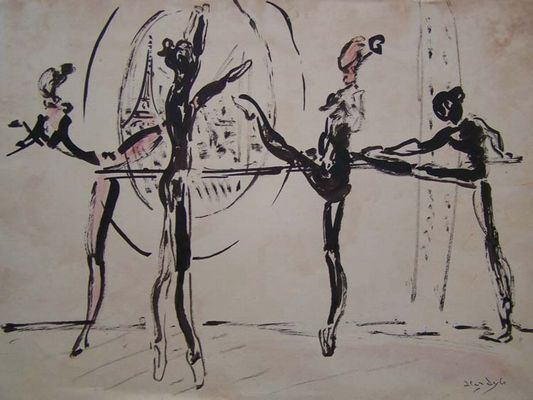
Dutch and Flemish artists are renowned for their paintings of peasant and social dances. Images of dance classes, ballet lessons, or dancers in a studio setting, though, are less common. In my last post, I discussed images of dance lessons prior to the 20th century. This post examines how later Dutch artists portrayed young and… Read more
-
From Dancing Lesson to Ballet Studio
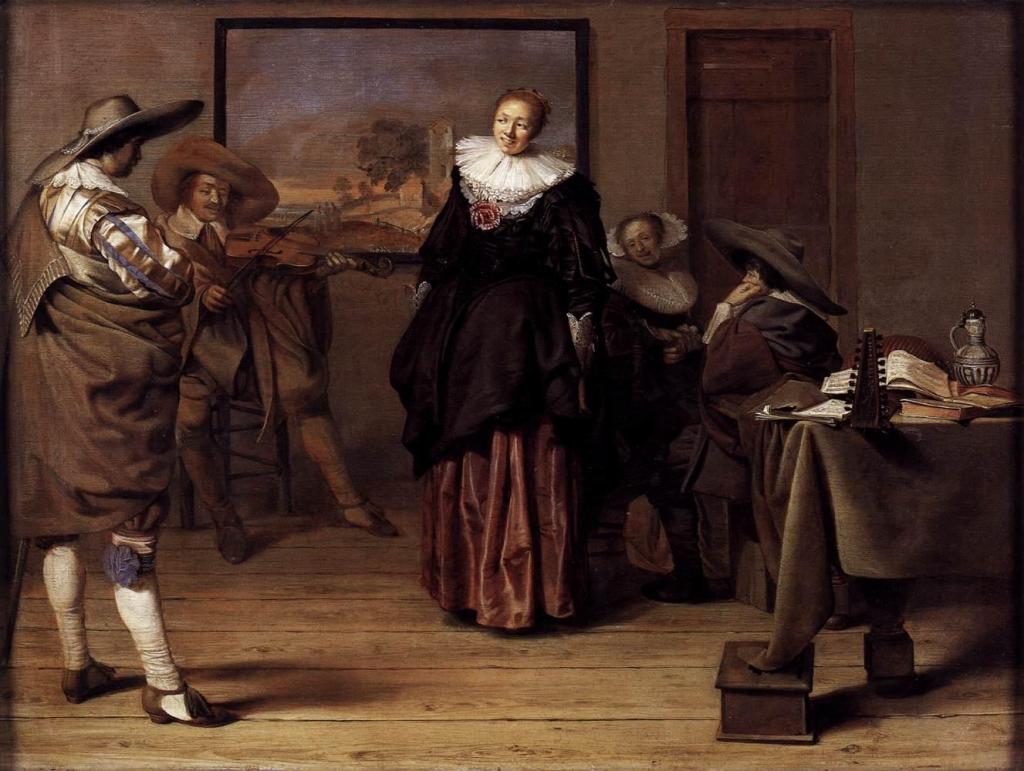
Artwork depicting dancers taking ballet classes or portraying individuals during dance lessons is relatively uncommon. Edgar Degas, of course, painted dancers training at the barre and rehearsing under the watchful eye of the ballet master, but Degas stands out as the exception. Artists hailing from The Low Countries are renowned for their peasant and social… Read more
-
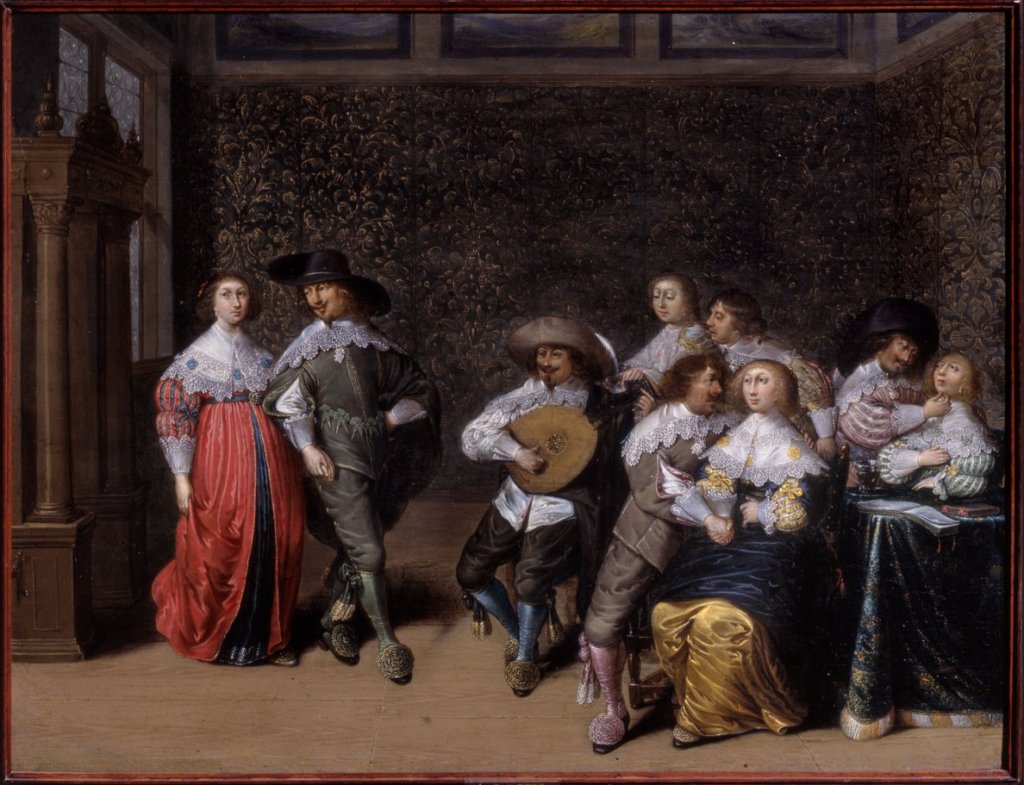
Dancing in a Merry Company
During the early decades of the 17th century, a new form of genre painting evolved. The ‘Merry Company‘, as this genre was named, is an art term referring to a small assembly of individuals feasting, drinking, flirting, gambling, dancing, making music, and generally having a good time. The figures depicted can vary from affluent individuals… Read more
-
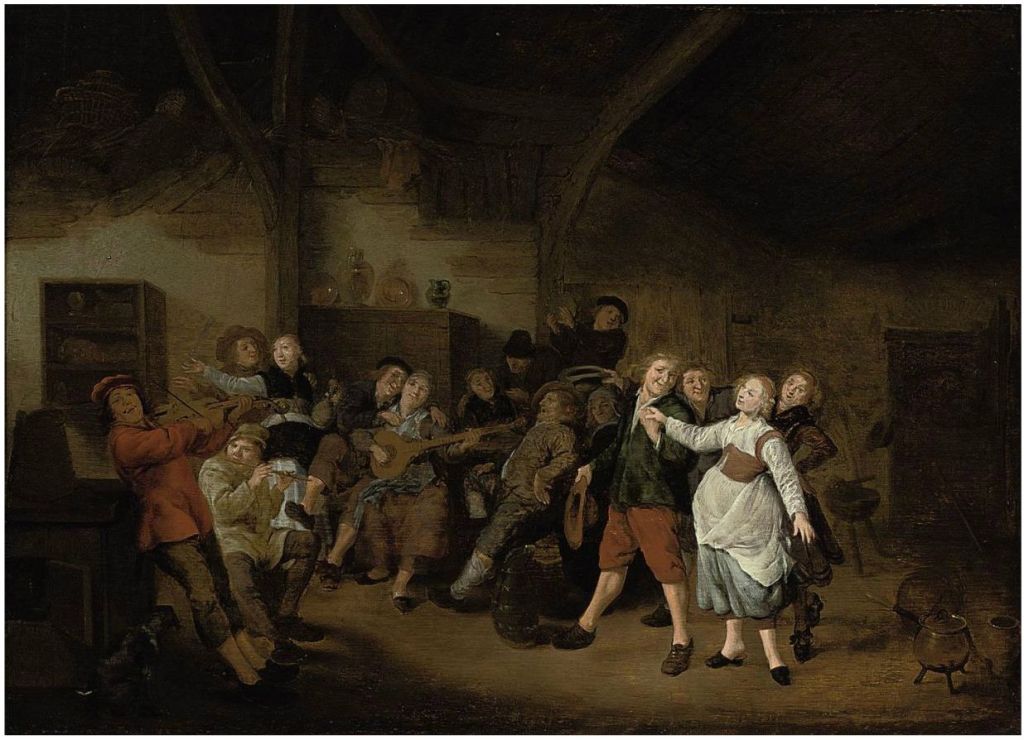
Jan Miense Molenaer – Dance in the Tavern
The highly versatile artist Jan Miense Molenaer (1610-1668)* was a brilliant exponent of genre art. He depicted a wide variety of subjects. The only artist that could match Molenaer’s versatility was Jan Steen (1626-1679). Molenaer excelled in tavern scenes, village weddings, merry companies, representations of the five senses, school scenes, outdoor scenes, as well as… Read more
-
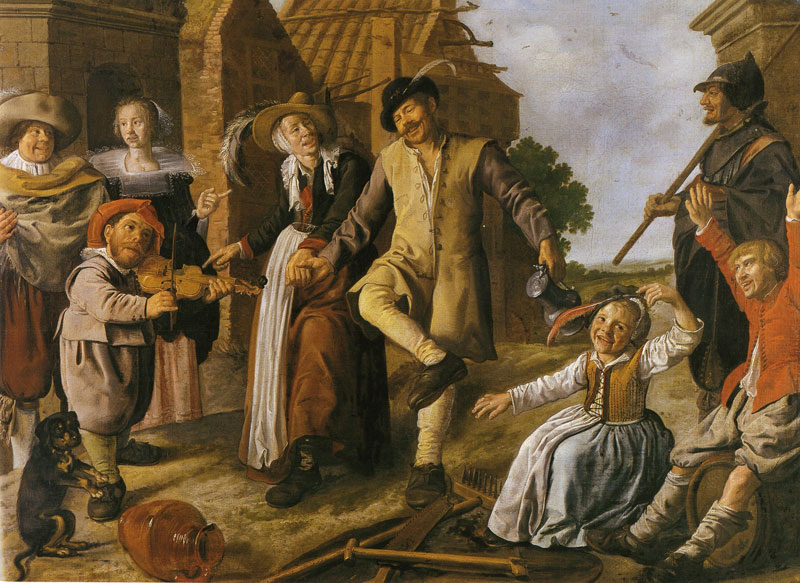
Jan Miense Molenaer – Dance everywhere
In the 16th century, Haarlem was the epicentre of Dutch Mannerism. Change, however, was imminent. The early 17th century saw, in part due to Flemish influence, the emergence of an enterprising artistic approach. Mythological and biblical representations were supplanted by contemporary narratives. On the one hand, paintings depicting the young and affluent in a merry… Read more
14th century 15th century 16th century 17th century 18th century 19th century 20th century 21st century Adriaen Brouwer Adriaen Pietersz. van de Venne Adriaen van Ostade Albrecht Dürer Alma-Tadema art Arthurian Legends Bal des Ardents ballet Bergen School Bernard Picart Burgundian Court CoBrA Constant Cornelis Dusart Cornelis Massijs Crispijn de Passe the Elder dance Dance/Dancers Dance around the Golden Calf dancers David Ryckaert III David Teniers the Younger David Vinckboons De Stijl Egg dance Else Berg Erhard Schön Flemish Art Frans Francken II Frans Huysmans George Hendrik Breitner Gertrud Leistikow Gillis Mostaert Hans Bol Harmen Meurs Henri Braakensiek Herman Bieling Hieronymus Bosch Hieronymus Francken the Younger illuminated manuscript Isaac Israels Isaac van Ostade Jacob Grimmer Jacob Savery I Jacobus van Looy Jan Brueghel the Elder Jan Mandijn & followers Jan Miense Molenaer Jan Sierhuis Jan Sluijters Jan Steen Jean-Baptiste Vanmour Jean de Wavrin Jean Froissart Johan Dijkstra Karel Appel Karel van Mander Kees Maks Kees van Dongen Leo Gestel Loyset Liédet Lucas van Valckenborch Maarten van Heemskerck Maastricht Hours Maerten de Vos Marius Bauer Marten van Cleve Mommie Schwarz Paolo Fiammingo/Pauwels Franck Pieter Aertsen Pieter Balten/Peeter Baltens Pieter Bruegel the Elder Pieter Brueghel the Younger Pieter Codde Pieter de Bloot Pieter van der Borcht Pieter van der Heyden Piet Mondrian Piet van der Hem Romance of Alexander Roman de la Rose Rothschild Canticles Salome Sebald Beham Simon Bening Stallman Pim Tango Theo van Doesburg Vincent van Gogh Willem de Zwart Willy Sluiter
About me
As a young aspiring dancer I loved to ponder over the magnificent paintings created by Edgar Degas. How his ballerinas inspired me. The atmosphere of the Paris Opera, the beautiful tutus and the hard working dancers never failed to trigger my imagination. As the years past, I retained my love of dance, of Degas, of art, and developed an interest in knowing more about the cross fertilization between art and dance.