-
CoBrA and Beyond
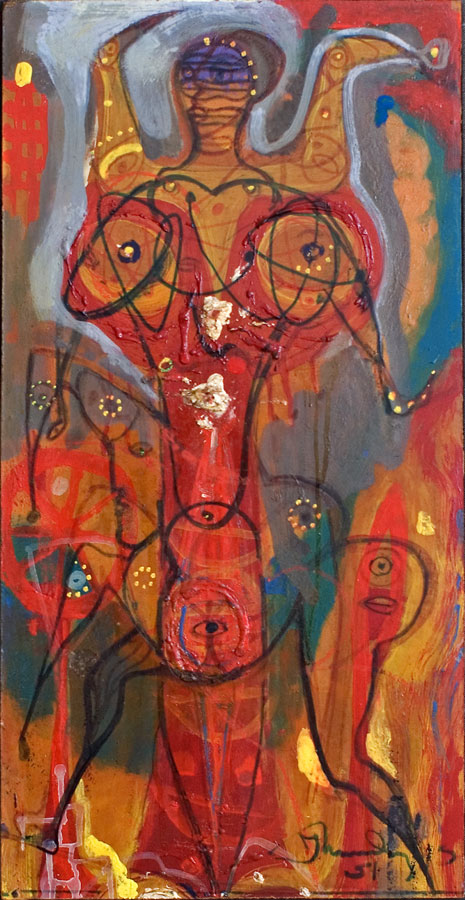
The art collective CoBrA was established shortly after WWII. An international group of artists founded a collaborative network that extended throughout northern Europe. The Dutch, Belgian, and Danish artists challenged traditional art movements and rejected bourgeois art, finding inspiration in Paul Klee, Joan Miró, artworks by children, outsider art, naïve art, and primitive artistic expressions.… Read more
-
Before, During, and After CoBrA : Constant & Corneille
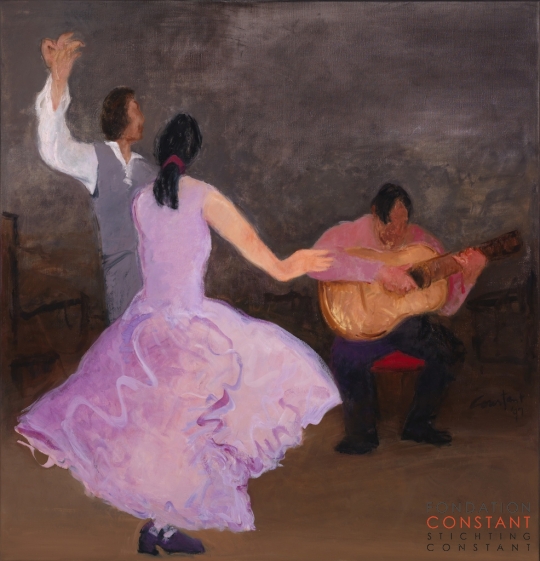
CoBrA, the short-lived yet highly impactful art collective, challenged conventional art movements and rejected bourgeois art. The artists were unconventional, innovative, daring, and provocative. The Dutch, Belgian, and Danish artists were influenced by Paul Klee and Joan Miró, as well as children’s art, outsider creations, naïve art, and primitive artistic expressions. CoBrA, an acronym for… Read more
-
CoBrA, Karel Appel, & Dance
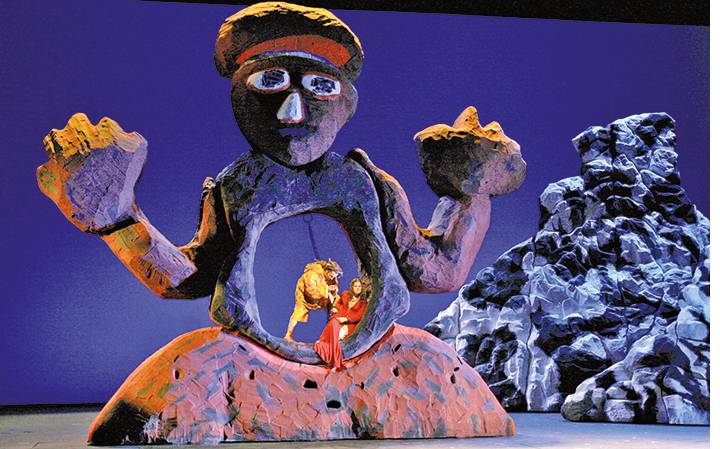
How can one define CoBrA? Non-traditional, original, bold, and provocative. The term CoBrA, an acronym of the capital cities of its founding artists—Copenhagen, Brussels, and Amsterdam—was coined by Christian Dotremont. CoBrA was established in 1948. The artists, including Karel Appel, Constant, Corneille, Christian Dotremont, Asger Jorn, and Joseph Noiret, rejected both naturalism and abstraction. They… Read more
-
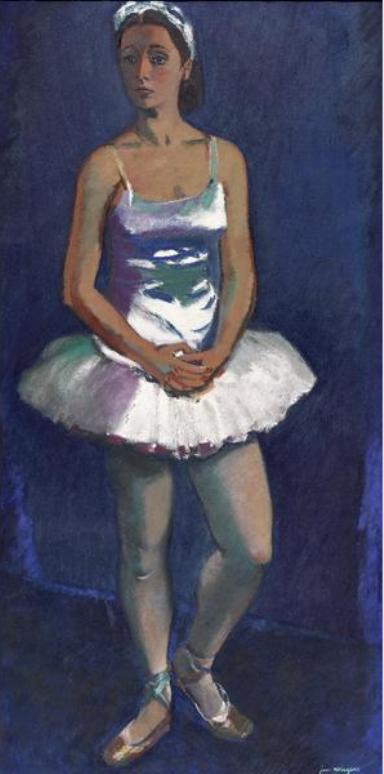
De Ploeg – An Occasional Ballet Image
The Dutch word ploeg means ‘to plough’. And that is exactly what a collective of artists, writers and architects living in and around Groningen, a major city in the northern Netherlands, achieved. The artists of De Ploeg delved into impressionism, constructivism and expressionism, exploring new paths, ploughing, as they put it, the artistic soil in… Read more
-
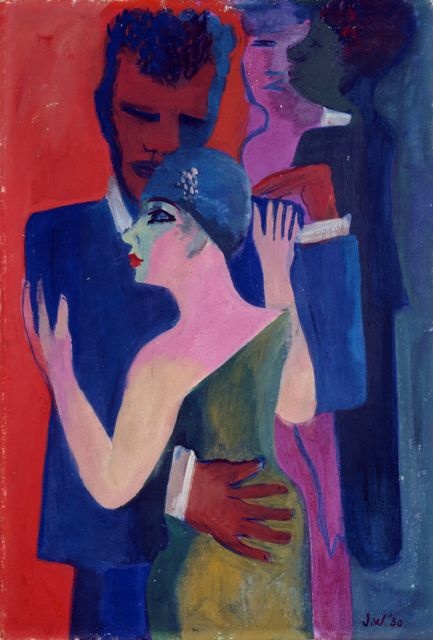
De Ploeg – Colour, Creativity, and Dance
In Groningen, a city located in the northern Netherlands, a collective of innovative young artists, writers, and architects united to establish new opportunities for prime movers to showcase their work. They sought to discard the traditional and explore new paths. A creative association, De Ploeg, was formed in 1918. The term De Ploeg, meaning ‘the… Read more
-
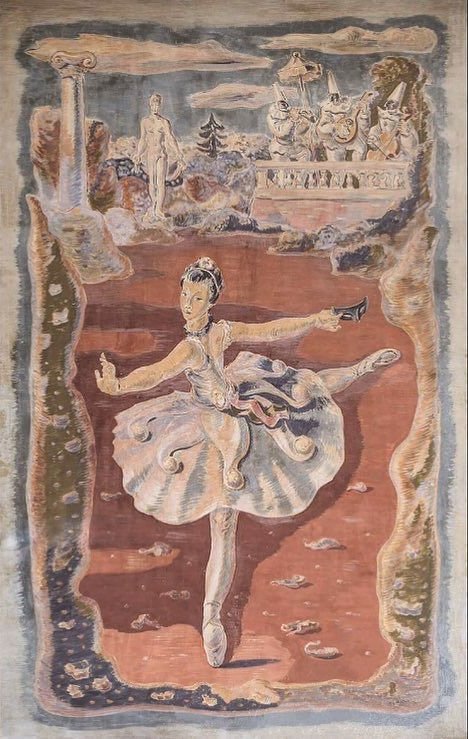
Ballerinas by Dutch Artists
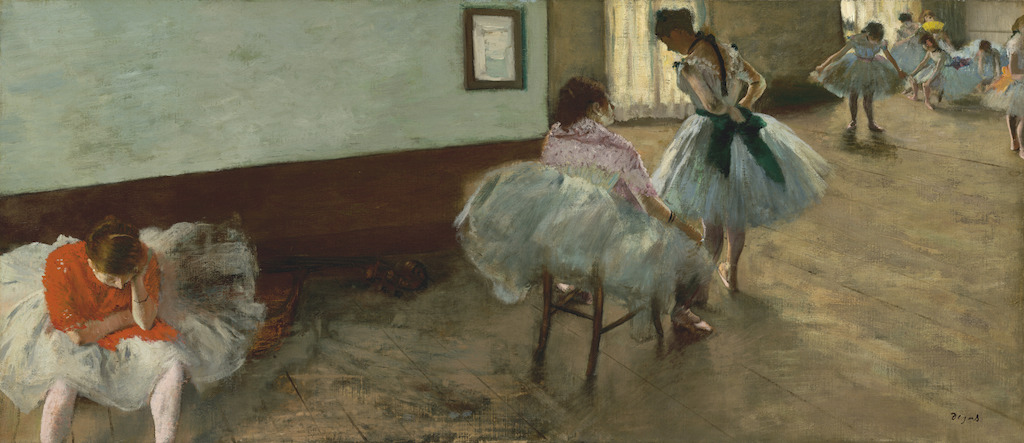
If you ask anyone to name the artist renowned for painting ballerinas, the response will undoubtedly be Edgar Degas (1834-1917). His paintings of romantic ballerinas are legendary. Degas sought a synthesis between Impressionism and Realism. His ballerinas were often ethereal, but his paintings also rendered a realistic depiction of the hard-working ballet dancers at the… Read more
14th century 15th century 16th century 17th century 18th century 19th century 20th century 21st century Adriaen Brouwer Adriaen Pietersz. van de Venne Adriaen van Ostade Albrecht Dürer Alma-Tadema art Arthurian Legends Bal des Ardents ballet Bergen School Bernard Picart Burgundian Court CoBrA Constant Cornelis Dusart Cornelis Massijs Crispijn de Passe the Elder dance Dance/Dancers Dance around the Golden Calf dancers David Ryckaert III David Teniers the Younger David Vinckboons De Stijl Egg dance Else Berg Erhard Schön Flemish Art Frans Francken II Frans Huysmans George Hendrik Breitner Gertrud Leistikow Gillis Mostaert Hans Bol Harmen Meurs Henri Braakensiek Herman Bieling Hieronymus Bosch Hieronymus Francken the Younger illuminated manuscript Isaac Israels Isaac van Ostade Jacob Grimmer Jacob Savery I Jacobus van Looy Jan Brueghel the Elder Jan Mandijn & followers Jan Miense Molenaer Jan Sierhuis Jan Sluijters Jan Steen Jean-Baptiste Vanmour Jean de Wavrin Jean Froissart Johan Dijkstra Karel Appel Karel van Mander Kees Maks Kees van Dongen Leo Gestel Loyset Liédet Lucas van Valckenborch Maarten van Heemskerck Maastricht Hours Maerten de Vos Marius Bauer Marten van Cleve Mommie Schwarz Paolo Fiammingo/Pauwels Franck Pieter Aertsen Pieter Balten/Peeter Baltens Pieter Bruegel the Elder Pieter Brueghel the Younger Pieter Codde Pieter de Bloot Pieter van der Borcht Pieter van der Heyden Piet Mondrian Piet van der Hem Romance of Alexander Roman de la Rose Rothschild Canticles Salome Sebald Beham Simon Bening Stallman Pim Tango Theo van Doesburg Vincent van Gogh Willem de Zwart Willy Sluiter
About me
As a young aspiring dancer I loved to ponder over the magnificent paintings created by Edgar Degas. How his ballerinas inspired me. The atmosphere of the Paris Opera, the beautiful tutus and the hard working dancers never failed to trigger my imagination. As the years past, I retained my love of dance, of Degas, of art, and developed an interest in knowing more about the cross fertilization between art and dance.