-
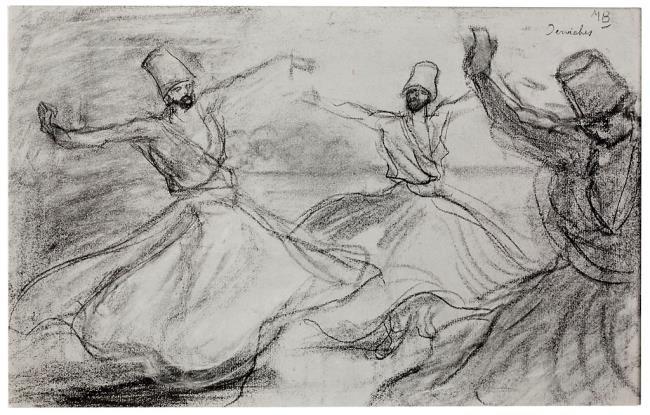
Dance images inspired by the exotic: Whirling Dervishes
The whirling dervishes are mesmerizing. Tourists visiting Turkey flock to Konya, home of the Mevlevi, to experience the centuries old mystical whirling ritual. This ritual, now often seen as a popular tourist attraction, was originally and still is a religious celebration bound in spiritual symbolism. The dervishes, clad in white robes, best described as a… Read more
-
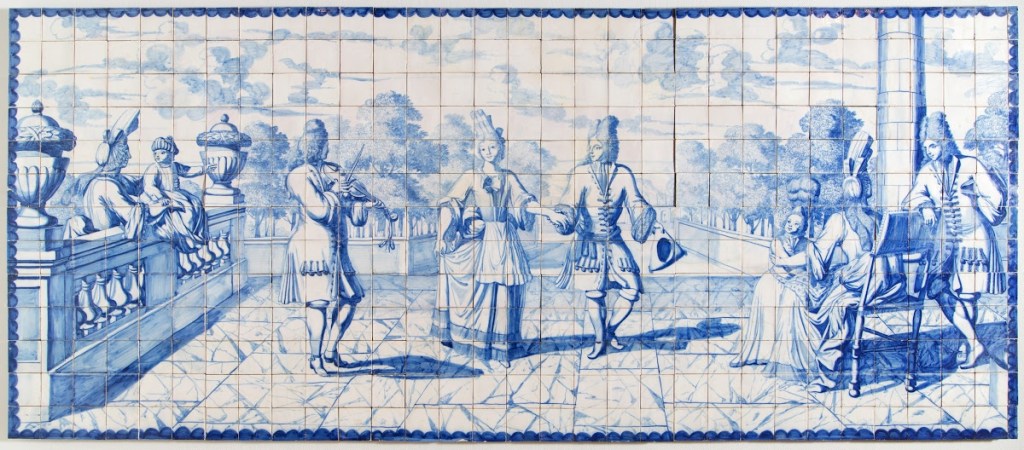
Dance images inspired by the exotic
Amsterdam, in the 17th century, was the hub of international trade. Grand tall-ships, from the Dutch East India Company, docked regularly at the harbour, laden with exotic merchandise, silks, spices, porcelain, textiles and other precious commodities. Amsterdam was a bustling city where merchants, legates and agents from many distant and mysterious countries were welcome, frequenting… Read more
-
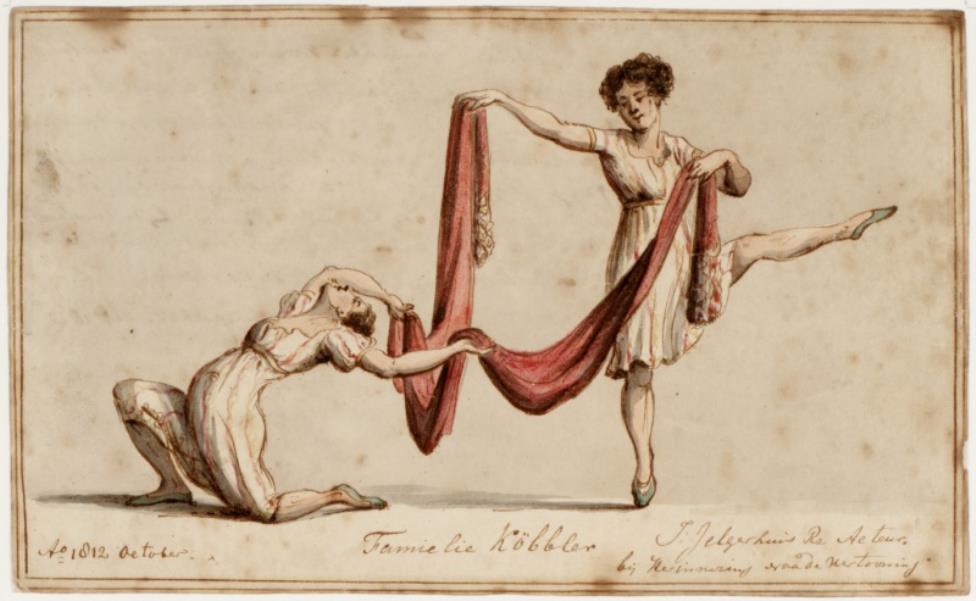
On pointe or not on pointe?
In Amsterdam, in the early 19th century, dance and drama flourished. The theatre, the Schouwburg, housed both a drama and a ballet company. The French dancer, Marie Polly Cuninghame (1785-1837), who had studied with Pierre Gardel, was immensely popular. She became known, through marriage, as Polly de Heus gracing the Schouwburg stage from 1801 until… Read more
-
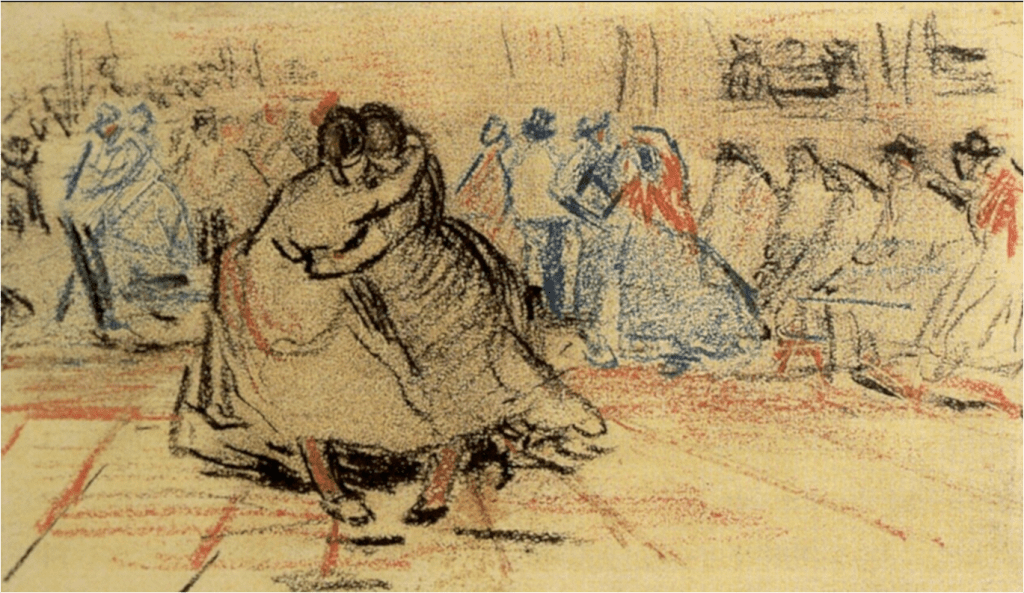
Vincent van Gogh – The Dance Hall
Vincent van Gogh (1853 – 1890) needs no introduction; he has become a household name. This Dutch post-impressionist painter created more than two thousand paintings and drawings. Exceedingly famous is his superb The Starry Night where the stars magically appear to sparkle. More down to earth is The Potato Eaters, a stark picture of peasant… Read more
-
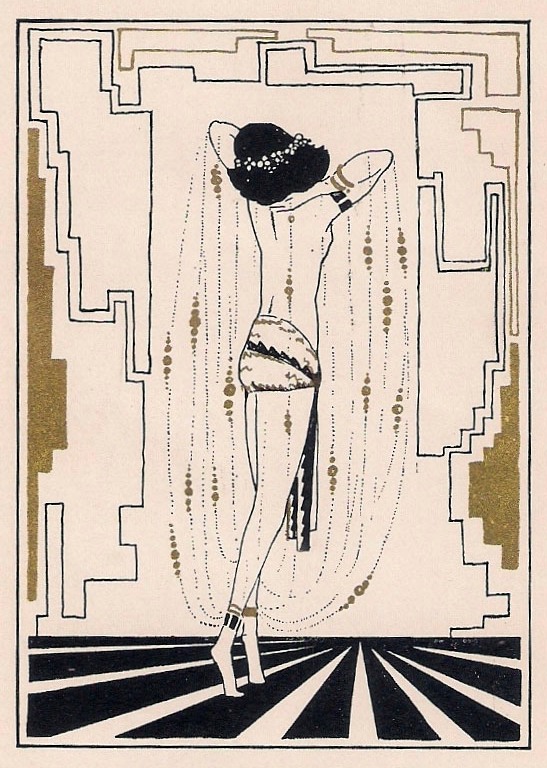
Salome – Exotic, Seductive and Notorious
19th century Paris. Orientalism is booming. The paintings of Eugène Delacriox and Jean-Léon Gérôme introduce Paris to the mysterious and fascinating world of the exotic dancer. This unconventional woman, playfully navigating her veils, in turn concealing then revealing her body, captures the imagination of society and the arts. Interest in Salome is rekindled. In 1864,… Read more
-
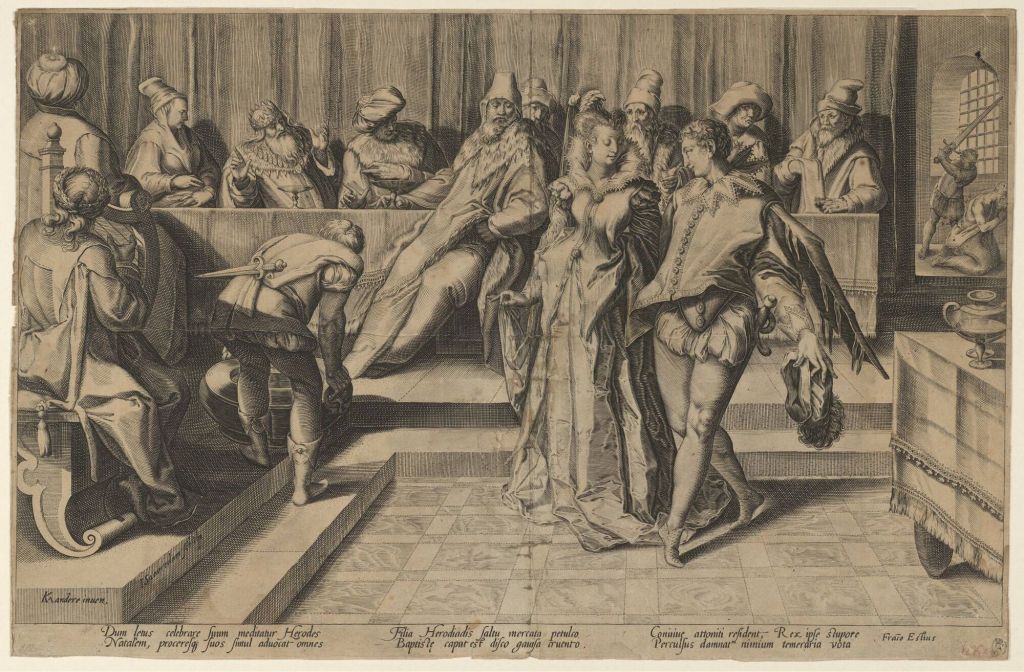
Salome – Dancing in the Low Countries
If the innumerable images of the illustrious dancing Salome, produced in the late 19th and early 20th centuries and the acrobatic images, sculptures and carvings created in the late middle-ages are momentarily set aside, then we are left with comparatively few images of Salome actually dancing. Italian Renaissance artists, Giotto, Fra Filippo Lippi, Fra Angelico,… Read more
14th century 15th century 16th century 17th century 18th century 19th century 20th century 21st century Adriaen Brouwer Adriaen Pietersz. van de Venne Adriaen van Ostade Albrecht Dürer Alma-Tadema art Arthurian Legends Bal des Ardents ballet Bergen School Bernard Picart Burgundian Court CoBrA Constant Cornelis Dusart Cornelis Massijs Crispijn de Passe the Elder dance Dance/Dancers Dance around the Golden Calf dancers David Ryckaert III David Teniers the Younger David Vinckboons De Stijl Egg dance Else Berg Erhard Schön Flemish Art Frans Francken II Frans Huysmans George Hendrik Breitner Gertrud Leistikow Gillis Mostaert Hans Bol Harmen Meurs Henri Braakensiek Herman Bieling Hieronymus Bosch Hieronymus Francken the Younger illuminated manuscript Isaac Israels Isaac van Ostade Jacob Grimmer Jacob Savery I Jacobus van Looy Jan Brueghel the Elder Jan Mandijn & followers Jan Miense Molenaer Jan Sierhuis Jan Sluijters Jan Steen Jean-Baptiste Vanmour Jean de Wavrin Jean Froissart Johan Dijkstra Karel Appel Karel van Mander Kees Maks Kees van Dongen Leo Gestel Loyset Liédet Lucas van Valckenborch Maarten van Heemskerck Maastricht Hours Maerten de Vos Marius Bauer Marten van Cleve Mommie Schwarz Paolo Fiammingo/Pauwels Franck Pieter Aertsen Pieter Balten/Peeter Baltens Pieter Bruegel the Elder Pieter Brueghel the Younger Pieter Codde Pieter de Bloot Pieter van der Borcht Pieter van der Heyden Piet Mondrian Piet van der Hem Romance of Alexander Roman de la Rose Rothschild Canticles Salome Sebald Beham Simon Bening Stallman Pim Tango Theo van Doesburg Vincent van Gogh Willem de Zwart Willy Sluiter
About me
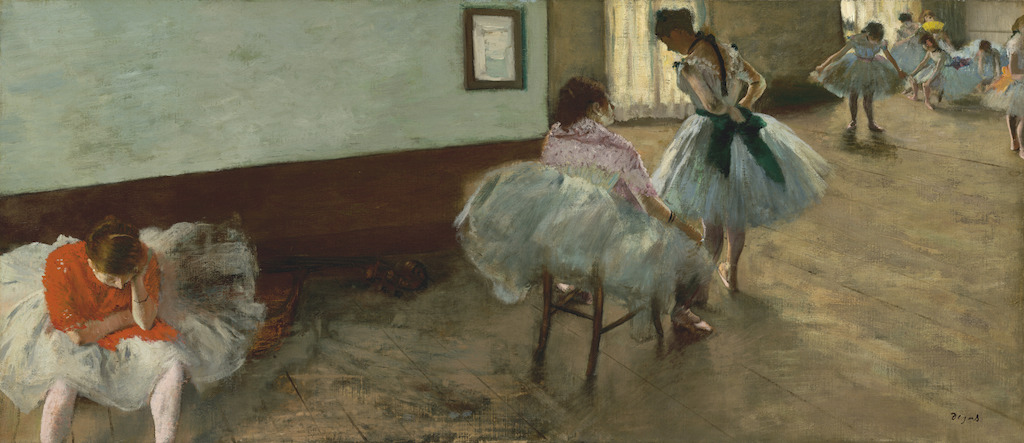
As a young aspiring dancer I loved to ponder over the magnificent paintings created by Edgar Degas. How his ballerinas inspired me. The atmosphere of the Paris Opera, the beautiful tutus and the hard working dancers never failed to trigger my imagination. As the years past, I retained my love of dance, of Degas, of art, and developed an interest in knowing more about the cross fertilization between art and dance.
 DANCE IMAGES IN THE ART OF THE NETHERLANDS